Home / Agritech
Agritech and sustainability
Modern means, applied where they help: cleaner produce, fewer chemicals, reliable dates and records a buyer can check.
What we use, and where it stands
Each practice is marked with its real status today.
Natural crop protection
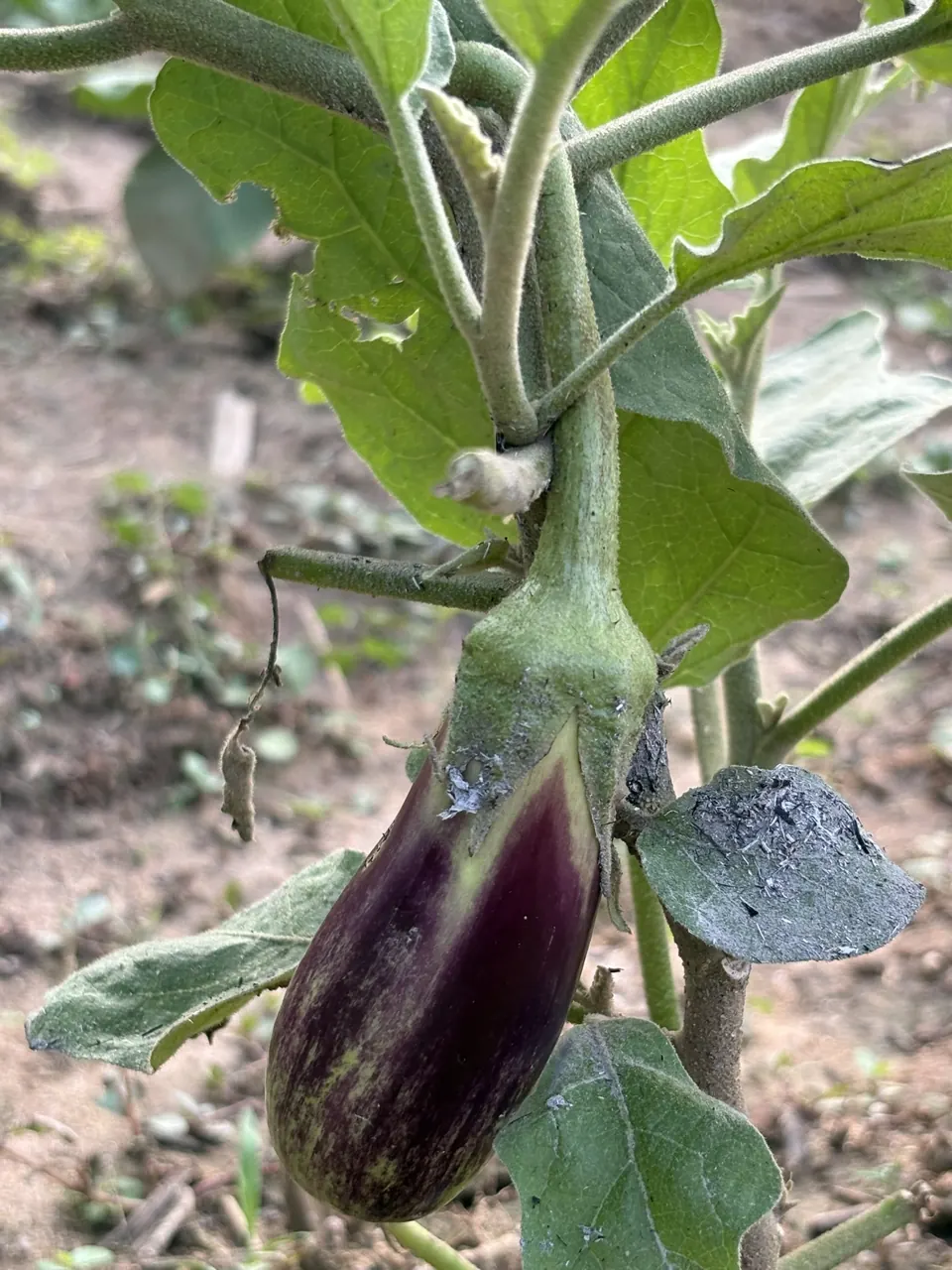
On our own farm, pests are controlled with wood ash and neem leaf extract instead of synthetic pesticides. Cheap, locally made, and kinder to soil, water and the people who work the fields.
Protected cultivation
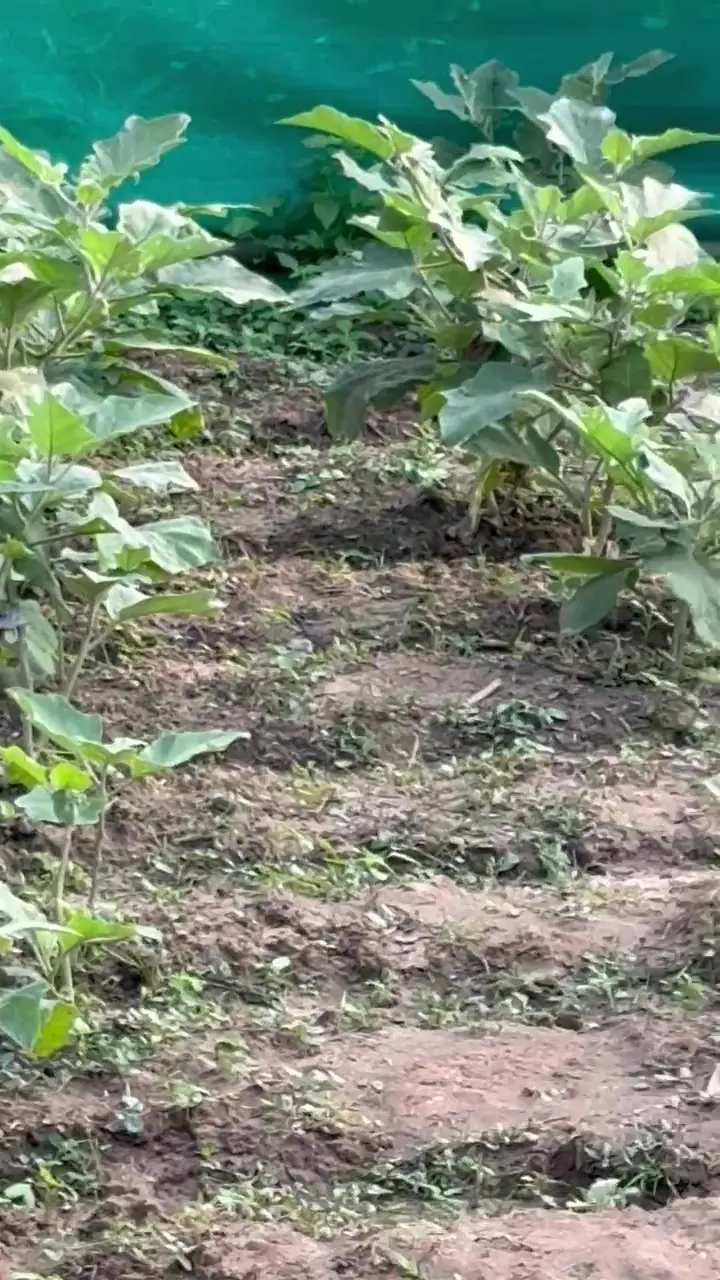
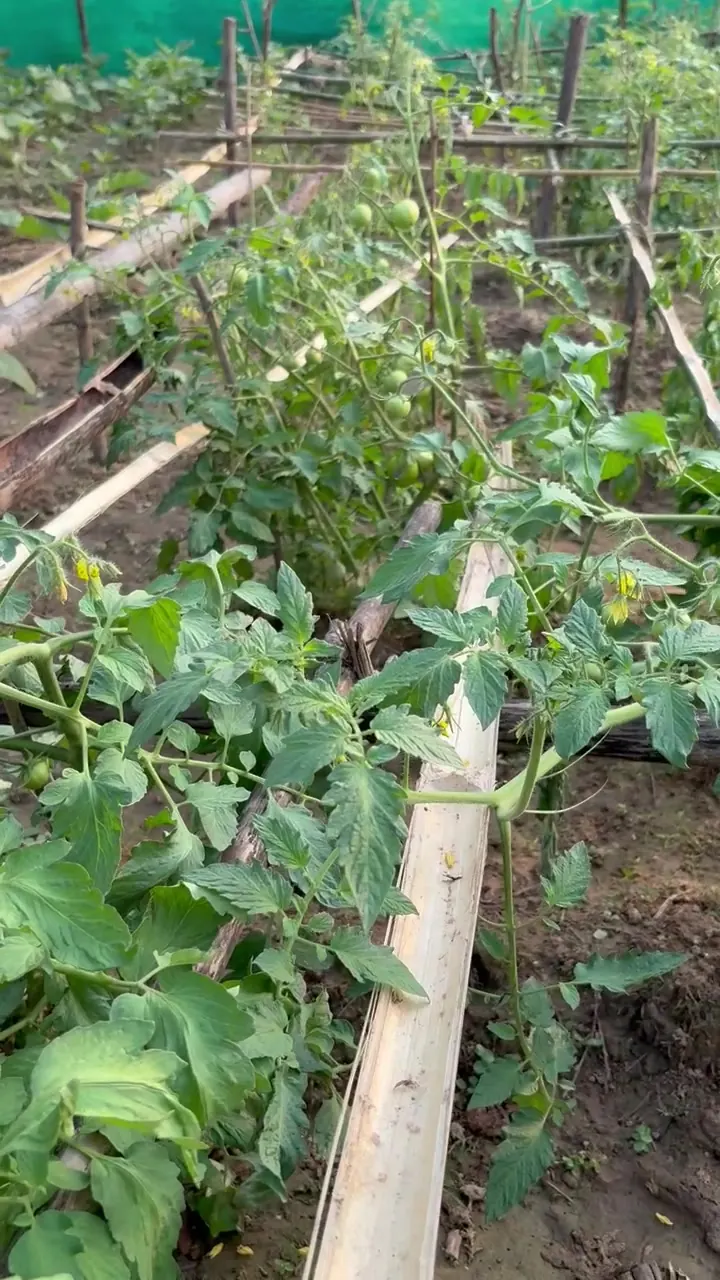
Green net screens around our plots and bamboo stakes and trellises protect crops and keep climbing vegetables off the ground, for cleaner, more even produce.
Weather and crop data
We plan each season with weather outlooks and crop-impact monitoring, so sowing, harvest and shipping dates follow the data, not guesswork.
Market-rule screening
Before we offer a product, we check it against each market's plant-health rules and pesticide residue limits, product by product.
Digital traceability
Every lot recorded with farmer, field, harvest date and packing date, so a buyer's question about a box can be traced back to where it grew.
Farmer data and training
A survey of every partner farmer (crops, volumes, months, costs and inputs) as the baseline for training in natural methods.
Natural crop protection
Wood ash dusted on leaves deters many sap-sucking and leaf-eating pests. Neem leaf extract, made from a tree that grows across the region, repels insects and discourages feeding. Both are cheap and made locally, and neither leaves synthetic residues.
We use them on our own farm today and will train partner farmers in the same methods. They are the kind of inputs organic standards accept, which is why they are the first step in our move towards organic.
Our produce is not certified organic.
Protected cultivation
Green net screens around our plots shelter the crops, and bamboo stakes and trellises lift tomatoes and gourds off the soil. Produce stays cleaner and more even in size, which matters when it is graded for export. Bamboo is local, low-cost and reusable.
Data behind every season
We track weather outlooks, monsoon forecasts and crop-impact reports through the season, and use them to set sowing windows and shipment dates. After Cyclone Arnab in October 2026, we re-planned our first export season with an updated weather and crop outlook.
Traceability from field to box
For every lot we are setting up records of the farmer or farm, the field, the harvest date and the packing date, so any box can be traced back. The farmer survey will add crops, volumes and inputs for every partner farm.
Want produce grown this way?
Tell us what you need and where it is going.