Home / Farmers & sourcing
Farmers and sourcing
We grow on our own farm and buy directly from organised farmer groups, and share what we learn: natural crop protection, season planning with weather data, and simple records. Farmers get a direct route to export buyers, and buyers know where their produce comes from.
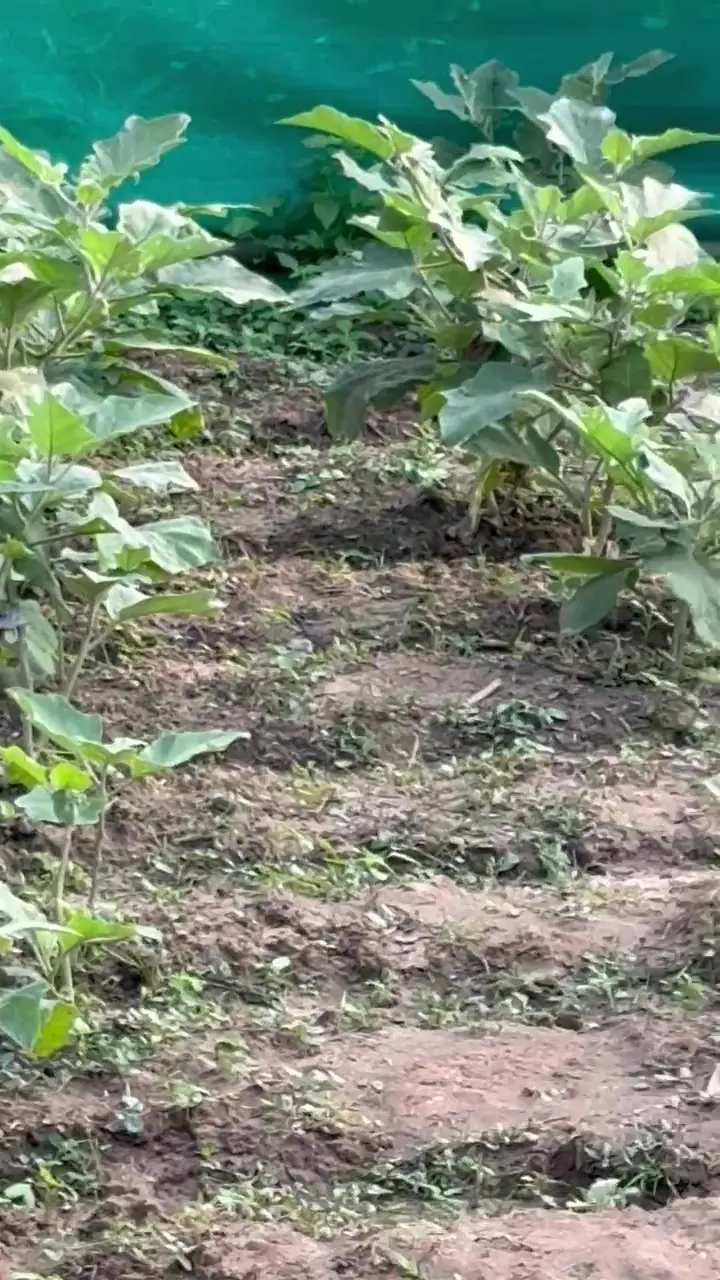
Who we work with
Our partner farmers are in Jhargram district, West Bengal, and East Singhbhum district, Jharkhand. Today we work with a small group of fewer than 50 farmers, organised into groups, so that we can plan crops together and keep quality consistent.
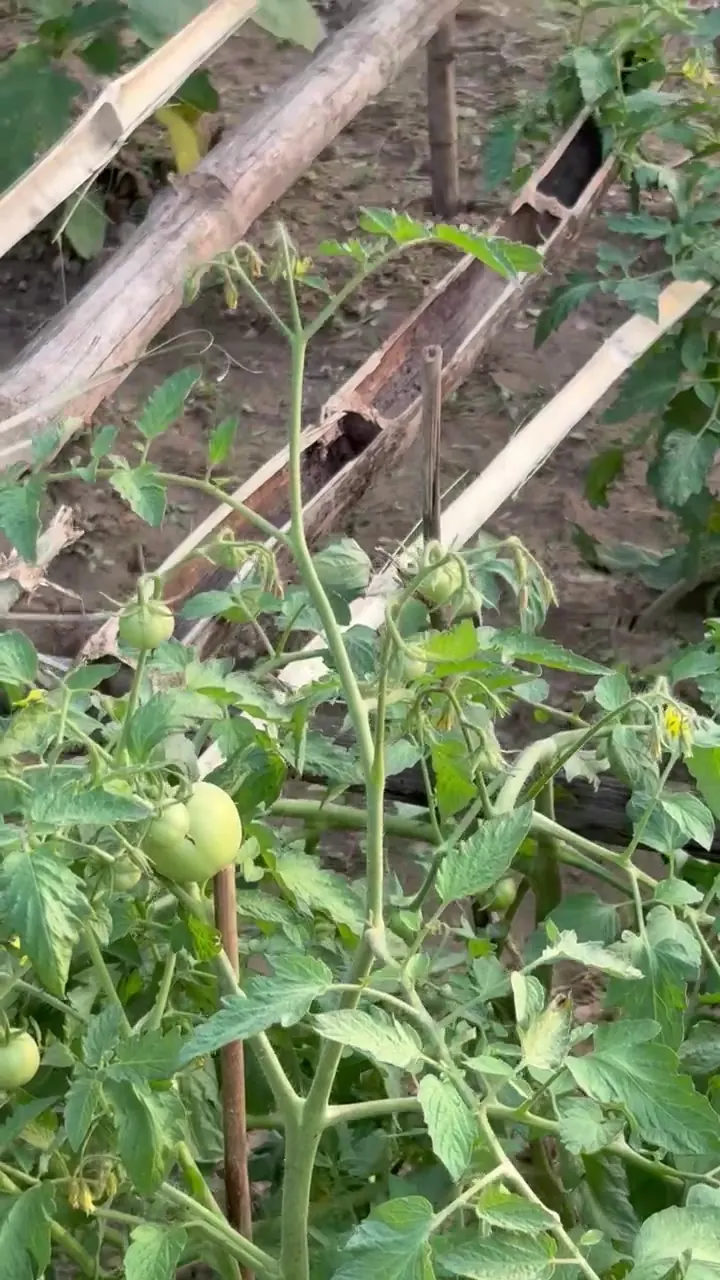
Alongside them, we grow on our own farm, where we try out crops and methods before asking farmers to adopt them.
How buying works
The same steps for every crop and every farmer group.
Plan before sowing
We share what buyers need and when. Together we agree which crops to grow, roughly how much, and the harvest window.
Agree the quality
We explain the grade, size and residue limits each market sets, and what will and won't pass for export.
Harvest and grade
At harvest we check, sort and grade the produce. Each lot is recorded by farmer, field and harvest date.
Pack and ship
We pack, arrange the plant-health inspection and documents, and ship from Kolkata.
The move towards organic, step by step
We want more of our produce to be grown organically and, in time, certified. Here is where we are, with nothing dressed up.
Our own farm
Grown without synthetic fertilisers or pesticides. Pests are controlled with wood ash and neem leaf extract. Not certified organic.
Partner farmer groups
Conventional farming. We have not yet measured fertiliser and pesticide use; a farmer survey comes first.
- Next
Farmer survey
Visit each farmer to record crops, volumes, harvest months, costs and current fertiliser and pesticide use.
- Planned
Training and records
Natural pest control such as wood ash and neem leaf extract, and simple field records, shown on our own farm first.
- Planned
Join a certification scheme
Form a local group under PGS-India (a participatory system run by farmer groups) or a grower group under NPOP (India's national organic programme, accepted for export).
- Planned
Conversion period
Fields must be farmed organically for a set period, usually about two years for vegetables. During it, produce can only be sold as "in-conversion", never as organic.
- Planned
Certification
Only after certification will we call any produce organic, and we will publish the certificate here.
Farmers: join us
If you farm in Jhargram, East Singhbhum or nearby and want to sell to export buyers, call or WhatsApp us.
Please tell us:
- Your name, village and block
- The crops you grow and roughly how much land
- When you usually harvest
- Whether you are part of a farmer group or producer company